There's a quiet irony in how a lot of people approach yoga for stress. They book a fast, sweaty, high-energy class because it feels productive, and come out of it wired instead of calm. Stress relief isn't about burning off tension through effort. It's about teaching your body to downshift, and that depends heavily on which kind of class you pick.
If you're looking for online yoga classes in the UK specifically to help with stress, here's what actually works, what doesn't, and how to make it stick.
Why Yoga Helps With Stress at All
When you're stressed, your breathing gets shallow, your shoulders creep toward your ears, and your jaw and lower back quietly tighten without you noticing. Yoga works on that physical loop directly. Slow, controlled breathing signals your body that it's safe to relax, and holding gentle poses gives your attention somewhere to rest that isn't your inbox.
It's not magic, and it's not a replacement for professional support if stress has tipped into something heavier (more on that below). But as a regular practice, it's one of the more reliable ways to give your nervous system a break.
Which Styles Are Best for Stress and Relaxation
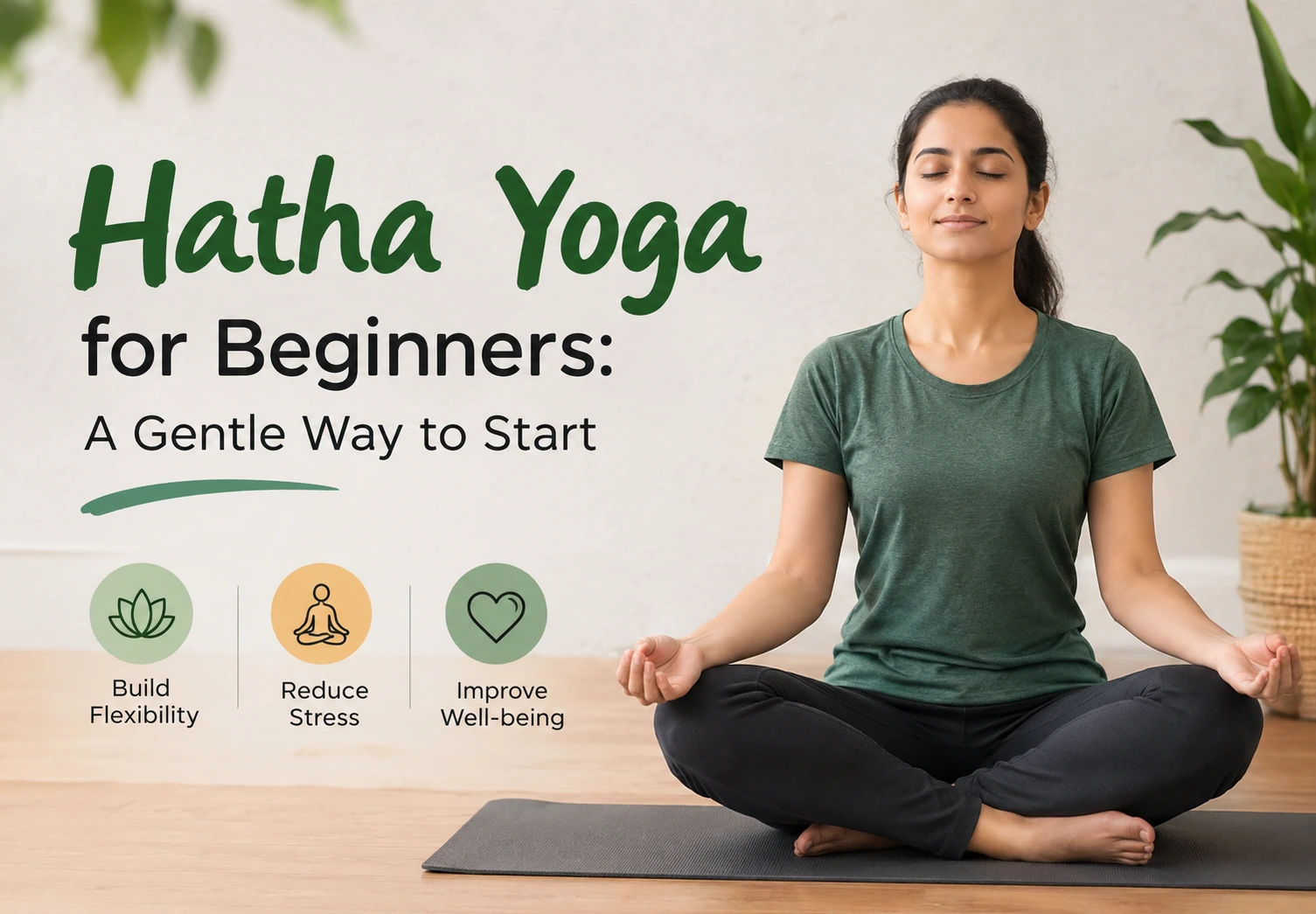
Hatha. Slow, steady, and easy to follow. Poses are held for several breaths, which gives you time to settle rather than chase the next movement. For most people starting out with stress relief, this is the best default.
Restorative. The gentlest option. You're supported by cushions or bolsters in passive poses, with almost no effort involved. Genuinely useful at the end of a hard week or on days when anything more active feels like too much.
Yin. Long holds, usually a few minutes each, in floor-based poses. It asks you to stay with mild discomfort and let it soften, which is a surprisingly good skill for people who carry stress in their bodies.
Breathwork-led classes (pranayama). Short sessions built around controlled breathing, sometimes with very little movement. If your stress spikes at specific moments, such as before meetings or at bedtime, these are the quickest tool to learn.
Fast flow or power classes. Great for fitness and for some people a decent way to blow off steam, but if you're already wound up, they can leave your system more activated rather than calmer. Worth saving for when you want energy, not rest.
A Few Simple Practices to Start With
You don't need a full class to begin. These work at home, in a few minutes:
- Child's Pose. Rest here for a minute or two, breathing slowly into your back.
- Legs Up the Wall. Lie on your back with your legs resting up a wall for five minutes. Simple, calming, and nearly impossible to get wrong.
- Supine Twist. A gentle release through the spine and shoulders after a long day.
- Savasana. Lie still for a few minutes at the end. It sounds easy and is often the hardest part, which is exactly why it helps.
- Slow breathing. Breathe in for a count of four, out for a count of six. Repeat for a couple of minutes. The longer exhale is what tells your body to settle.
How Often Should You Practise?
For stress relief, small and regular beats big and occasional. A realistic pattern for most people is two to three classes a week, with a few minutes of breathing or gentle stretching on other days. You don't need an hour every day. Five or ten minutes done consistently does more than one long session you dread and skip.
If you're brand new, start with two live classes a week and add short home practice once the routine feels natural. Consistency matters far more than intensity here.
Choosing Online Yoga Classes in the UK
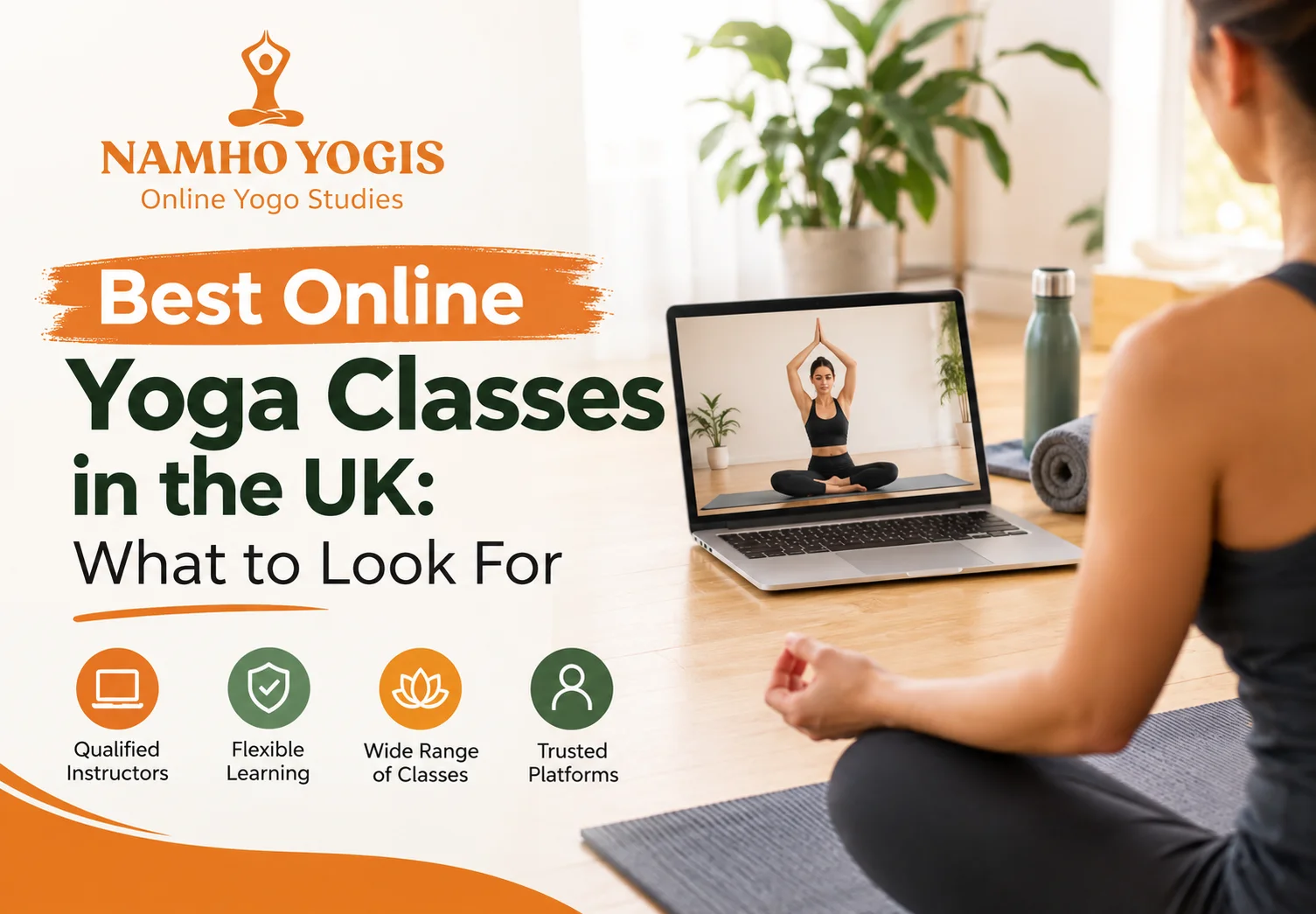
A few things are worth checking before you commit:
- Live or recorded? Recorded libraries are convenient, but a live class means an instructor can see you and adjust your breathing or pose. For stress, that human presence matters more than people expect.
- Class timing. A relaxing class that lands at 3 AM your time won't relax anyone. Convert class times to GMT (or BST in summer) before booking.
- Pace. Look for classes labelled gentle, Hatha, restorative or yin, rather than "power" or "flow."
- Instructor credentials. Yoga Alliance certification (RYT-200 or RYT-500) is the most widely recognised standard.
We cover this in more depth in our guide to online yoga classes in the UK, including the timezone question, which is the one most UK students trip over.
Where Namho Yogis Fits
Namho Yogis' live online classes are taught by Yoga Alliance-certified instructors trained in Rishikesh, India, in small groups with a Hatha-led, steady pace that suits stress relief well. One honest note for UK readers: classes are currently scheduled across US time zones, so some slots land in UK daytime or early evening and work well, while others fall overnight. Check the timings page against GMT before you book. If you're new to yoga altogether, our beginner's guide to Hatha yoga explains why this pace is a good starting point.
One Honest Caveat
Yoga can be a genuinely helpful part of managing everyday stress, but it isn't a treatment for anxiety disorders, depression or burnout. If stress is affecting your sleep, work or relationships over weeks, or you're struggling to cope, please speak to your GP or a qualified mental health professional. Yoga works best alongside that kind of support, not instead of it.